- Tiler tools
- 46211 views
- 0 comments
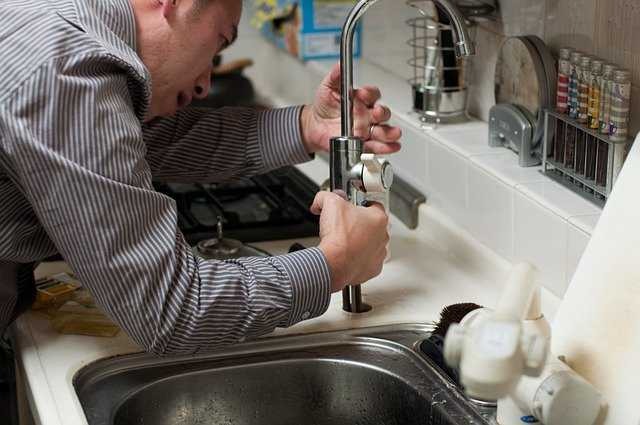
The three main materials most used in plumbing are copper, PEX and multilayer. Not only are they suitable for sanitary water and heating installations, but they each have their particularities and advantages. Copper, for example, can be considered a safe bet, PER as the cheapest solution and multilayer as a good compromise. Find out what type of pipe to choose if you are a plumber.
The copper
First of all, copper is a historical material already used by the Egyptians in the 3rd millennium BC to build pyramids. It stands out for its resistance and longevity. Then, it can also be declined in different shapes to adapt to any type of site: crown, rigid bar, malleable, hardened, annealed, ...
In addition, copper also has a good expansion index and antibacterial properties. It resists corrosion well and is a good conductor of heat. Its only disadvantages are its high risk of scaling, its inflexible structure and its expensive price.
The per
As for PER or High Density Cross-Linked Polyethylene, this material appeared on the market about 40 years ago and it is the most affordable of all. It appeals to plumbers thanks to its low cost. In addition, it is both light and easy to install. PEX tubes are also of the semi-rigid type. They can be twisted easily and they can easily adapt to the available space.
However, it should be noted that PER expands and shrinks naturally depending on the temperature. Thus, space must be provided between the tubes to avoid damage to the circuit. PER also has a fairly short lifespan and requires regular sludge removal in heating installations.
The multilayer
Finally, the multilayer is a pipe made up of a thin layer of aluminum and two layers of PE-RT plastic material. It is true that this is the latest technology, but it is a good compromise.
In fact, the multilayer has the following advantages: its longevity, its flexibility, its ability to reduce noise pollution and its smooth interior which can limit scaling. The multilayer also constitutes a good barrier against oxygen. It does not fear corrosion and it stands out for its shape memory and dilation.
Its only weaknesses are its higher cost than the PER. Then, it is also a material that is difficult to cut, bulky and not practical enough for small installations.
Related products


Comments (0)